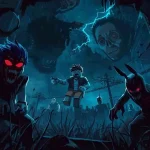
Roblox has some seriously creepy games that’ll make you jump out of your chair. The platform’s horror scene has exploded in 2026, with developers pushing boundaries to create terrifying experiences that rival professional horror games.
I’ve spent hundreds of hours exploring Roblox’s darkest corners. These games gave me genuine chills and sleepless nights.
Let me share the scariest ones that’ll test your courage.
What Makes These Roblox Horror Games So Terrifying?
These games master psychological horror through unpredictable AI, immersive sound design, and disturbing atmospheres. Unlike cheap jump scares, they build tension slowly and make you feel genuinely unsafe.
The best horror games on Roblox use advanced scripting to create enemies that learn your patterns. They trap you in environments where every shadow could hide danger.
Sound plays a huge role too. Footsteps behind you, distant screams, and sudden silence all mess with your mind.
The lighting systems in 2026 Roblox games create pitch-black areas where your flashlight barely helps. You’ll strain your eyes trying to see what’s ahead.
1. The Mimic
The Mimic delivers traditional Japanese horror with multiple chapters spanning over 8 hours of gameplay. This game uses yokai folklore to create monsters that’ll haunt your nightmares.
Each chapter takes you through cursed locations like abandoned schools and haunted villages. The monster designs are incredibly detailed, with some standing over 12 feet tall.
The sound design is what really gets you. You’ll hear whispers in Japanese, children laughing in empty rooms, and footsteps that follow you everywhere.
The AI enemies in The Mimic track your movement patterns. They’ll cut off escape routes and corner you in dead ends.
Chapter 4 introduced new mechanics where monsters can crawl through vents. You’re never truly safe, even in rooms you’ve already cleared.
The game supports up to 8 players in co-op mode. But more players means the monsters get faster and more aggressive.
Puzzle difficulty scales based on how many people are playing. Solo players face simpler puzzles but deal with constant isolation and fear.
2. Doors
Doors became a phenomenon with over 3 billion visits by throwing 100 procedurally generated rooms at you. Each room brings new threats and survival challenges.
The main antagonist, Screech, appears in dark rooms and attacks if you don’t look at it quickly. Rush charges through hallways at incredible speed, forcing you to hide.
Eyes punishes you for staring at it, dealing damage that drains your health bar. Ambush does fake-out attacks, rushing through rooms multiple times.
The game’s brilliance lies in its unpredictability. Room 50 always contains the library puzzle, but the books you need change every playthrough.
Death consequences are harsh. You lose all progress and start from Door 1 again.
The Hotel+ update in 2026 added 50 new rooms with harder enemies. Figure, the library monster, now has improved hearing that detects heartbeats within 20 studs.
Speed-runners have completed all 100 rooms in under 15 minutes. But casual players average 45-60 minutes per successful run.
The crucifix item can banish certain entities, but only works once. Choosing when to use it creates intense strategic pressure.
3. Apeirophobia
Apeirophobia explores the backrooms concept with endless yellow hallways that feel suffocating. The game captures the dread of being trapped in liminal spaces.
Level 0 starts peaceful but the humming fluorescent lights slowly drive you insane. The walls seem to stretch forever in every direction.
Level 1 introduces entities that hunt you through parking garages. The darkness here is almost complete, with only emergency lights flickering.
The skin stealer enemy mimics player models to trick you. You’ll see what looks like a teammate, then realize it’s moving wrong.
Level 2’s pipe system creates claustrophobic terror as you crawl through tight spaces. You can hear something crawling behind you but can’t turn around to look.
Each level has different survival rules. Some require absolute silence, others demand you keep moving constantly.
The game uses proximity voice chat that adds realism. Hearing your friend’s panicked breathing in the next hallway creates genuine tension.
Resource management matters here. Almond water restores sanity, but you’ll only find bottles every few minutes.
The 2026 update added Level 5 with an entity that teleports. You’ll see it in the distance, blink, and find it right behind you.
4. Geisha
Geisha takes Japanese horror seriously with a vengeful spirit that relentlessly hunts players through a cursed mansion. The atmosphere drips with traditional horror elements.
The Geisha herself moves with unnatural grace, gliding across floors without walking animations. Her face changes between beautiful and grotesque without warning.
The mansion has 47 rooms spread across three floors. Each room tells part of the tragic story through environmental details.
Candles are your only light source, and they blow out randomly. You’ll spend seconds fumbling in complete darkness.
The game punishes running by making more noise. The Geisha hears footsteps from 50 studs away.
Hiding spots include closets, under beds, and behind screens. But the AI checks hiding spots if it loses sight of you nearby.
The ritual completion requires finding seven items scattered throughout the mansion. Each item spawns in random locations per playthrough.
Mirror mechanics add another layer of fear. The Geisha appears in reflections before manifesting physically.
Players report the game causes genuine anxiety. The constant threat combined with limited resources creates unbearable tension.
5. Dead Silence
Dead Silence brings the horror movie experience with Mary Shaw, a killer puppet master. The atmosphere captures that creepy ventriloquist dummy aesthetic perfectly.
The game starts in a small town where puppets have killed everyone. You must investigate the theater while avoiding Mary Shaw and her dummies.
The puppets move when you’re not looking at them. You’ll check one direction, turn back, and find a dummy has moved 10 feet closer.
Voice mechanics are crucial here. Making any sound through voice chat alerts Mary Shaw to your location.
The theater has multiple floors with backstage areas, prop rooms, and the main auditorium. Each area has unique hiding spots and dangers.
Dummy jump scares are perfectly timed. You’ll open a closet and have a puppet fall on you with horrifying sound effects.
The game requires players to collect poem pieces that reveal Mary Shaw’s backstory. Reading them alone is creepy enough.
Mary Shaw herself appears randomly, and her design is nightmare fuel. The porcelain face with hollow eyes follows you everywhere.
Completing objectives while staying silent creates intense pressure. Your hands will actually shake trying to grab items quietly.
6. Airplane
Airplane traps you on a crashing flight with hostile entities and limited time. The unique setting makes this one of the most stressful horror experiences.
The plane starts with normal turbulence, then things go wrong fast. Lights flicker, oxygen masks drop, and passengers start acting strange.
Infected passengers transform into aggressive creatures that attack on sight. The transformation animations are disturbingly detailed.
You have only 30 minutes before the plane crashes completely. This time limit adds constant pressure to every decision.
The cabin layout forces you through narrow aisles where infected can corner you easily. First class offers better hiding spots but fewer supplies.
Emergency exits can be opened mid-flight, sucking out anything nearby. You can use this strategically against infected, but risk losing items.
The cockpit holds the key to survival, but reaching it requires solving electrical puzzles. One wrong wire connection triggers alarms that attract infected.
Turbulence events throw players around the cabin randomly. You’ll be running from an infected, then suddenly get knocked down.
The 2026 update added a second floor with business class. More space means more infected and harder navigation.
7. Roses
Roses delivers psychological horror through a grandmother’s house that hides dark secrets. The game feels uncomfortably realistic in its domestic setting.
You play as a child exploring your grandmother’s house during a visit. Things seem normal until you notice details that don’t add up.
The grandmother character has unsettling behavior patterns. She follows routines obsessively and punishes you for breaking house rules.
Going to the basement is forbidden, which obviously means you need to go there. The basement reveals disturbing truths about the family.
The game uses subtle horror instead of jump scares. A photograph changes when you’re not looking, showing different people in the frame.
Childhood items like toys and drawings become sinister when you understand their context. That teddy bear has bloodstains you didn’t notice before.
The grandmother can appear anywhere in the house without warning. You’ll enter a room you just checked and find her standing there.
Multiple endings exist based on choices you make. Some endings are bittersweet, others are pure nightmare fuel.
The realistic graphics make everything feel too close to home. Many players report feeling uncomfortable rather than scared, which hits differently.
8. The Maze
The Maze throws you into an ever-changing labyrinth with walls that move and monsters that adapt. No two playthroughs feel the same.
The maze generates randomly with over 500 possible room configurations. You can’t memorize layouts because they change every time.
Walls physically shift while you’re inside, blocking paths and creating new routes. You’ll watch a hallway seal itself behind you.
The main entity, known as the Stalker, learns from player behavior. If you always turn right at intersections, it’ll start appearing from the right.
Breadcrumb systems don’t work here. Any markers you place disappear when walls move.
The maze has three difficulty zones that get progressively darker and more dangerous. Zone 3 has almost no visibility and faster enemies.
Sound cues are your best tool for navigation. Different floor types make distinct sounds that help with orientation.
The game supports up to 12 players, but the maze grows larger with more people. Solo runs are shorter but lonelier.
Time distortion mechanics make it feel like you’ve been playing for hours when only 20 minutes passed. The psychological effect is intentional and disturbing.
9. Identity Fraud
Identity Fraud creates paranoia through shape-shifting monsters that copy player appearances. You never know who to trust.
The game starts with everyone looking identical. Then monsters start replacing players, mimicking their movements and behavior.
Real players and monsters look completely identical. The only way to tell the difference is through behavior patterns and communication.
Monsters can speak through voice chat to trick you. They’ll pretend to be your friend asking for help.
The maze-like structure has safe rooms where monsters can’t enter. But they’ll wait outside, and you can’t stay hidden forever.
Stan, the main monster, chases players at high speed through hallways. His footsteps echo everywhere, making it hard to pinpoint his location.
Fraud, another entity, appears identical to Stan but behaves differently. Learning to distinguish them is crucial for survival.
The exit requires finding three colored keys scattered throughout the facility. Each key spawns in random locations.
Trust becomes the core challenge. Teaming up improves survival odds, but any teammate could be a monster.
The game’s VIP area adds new monsters with unique abilities. Ralph can teleport short distances, creating impossible chase scenarios.
10. Alone in a Dark House
Alone in a Dark House delivers pure isolation horror with realistic graphics and oppressive atmosphere. The title perfectly describes the experience.
You spawn in a suburban house at 3 AM with no explanation. The power is out, and your phone flashlight barely illuminates anything.
Every room feels normal yet deeply wrong. Family photos show faces that seem to follow your movement.
The entity in this game doesn’t chase you constantly. Instead, it appears randomly, forcing you to always stay alert.
Opening doors creates loud creaking sounds that echo through the house. You’ll hesitate before entering every room.
The basement has a long staircase descending into complete darkness. Most players take several minutes to build courage for that descent.
Found footage mechanics show glimpses of previous victims through scattered cameras. Watching the recordings reveals clues and terrifying encounters.
The game uses realistic physics where items fall and make noise. Knocking over a lamp alerts the entity instantly.
Weather effects outside create atmosphere through windows. Lightning briefly illuminates rooms, sometimes revealing the entity watching you.
Multiple objectives keep you moving through the house. You can’t just hide and wait it out.
11. Flee the Facility
Flee the Facility combines horror with strategy as survivors try to hack computers while a beast hunts them. The asymmetric gameplay creates intense cat-and-mouse scenarios.
One player becomes the beast with enhanced speed and special abilities. The other three must hack 6 computers to escape.
Hacking takes 15 seconds per computer while standing still. The beast can see your hacking progress from anywhere on the map.
Getting caught means getting frozen in place. Your teammates can unfreeze you, but it takes precious time.
Maps vary from abandoned hospitals to creepy schools, each with different layouts and hiding spots. Learning maps gives huge advantages.
The beast has a limited sprint meter that refills slowly. Timing chases around sprint cooldowns separates good beasts from great ones.
Survivors can use crawlspaces and vents that beasts can’t enter. But these passages leave you vulnerable while crawling.
Power-ups spawn randomly, giving temporary speed boosts or invisibility. Fighting over power-ups creates risky situations.
The game supports up to 12 players with multiple beasts at once. More beasts dramatically increase difficulty.
2026 updates added new beast skins with different terror levels. Some skins have legitimately scary designs that affect player psychology.
12. The Rake: Classic Edition
The Rake Classic Edition brings creepypasta horror to life with one of the internet’s most famous monsters. The creature design stays faithful to the original stories.
The Rake itself is a pale, skeletal humanoid that moves on all fours at terrifying speed. When it spots you, it releases an ear-piercing scream.
The game drops you in dark woods with minimal supplies. You must find pages while avoiding the Rake’s patrol patterns.
Flashlight battery drains quickly, forcing you to choose between visibility and preservation. Running out of battery in the wrong place means certain death.
The Rake’s AI has improved significantly in 2026. It now investigates sound sources and checks common hiding spots.
Trees provide cover but also block your vision. You’ll constantly spin your camera, paranoid about attacks from any direction.
Collecting all pages triggers an escape sequence where the Rake becomes more aggressive. You have to reach the exit while it actively hunts you.
The cabin offers temporary safety but only has one exit. Getting trapped inside with the Rake is a death sentence.
Audio design makes this game exceptional. The Rake’s breathing and growls create constant dread even when you can’t see it.
Multiple difficulty modes adjust the Rake’s speed and detection range. Nightmare mode makes it nearly impossible to complete.
13. Piggy
Piggy revolutionized Roblox horror with its Granny-inspired gameplay and compelling storyline spanning 12 chapters. Over 10 billion visits prove its lasting impact.
You wake up trapped in a house with Piggy, an infected pig character hunting you. You have 10 minutes to solve puzzles and escape.
Each chapter introduces new maps and characters while advancing the infection storyline. The narrative has surprising depth for a Roblox game.
Bot mode lets you practice alone against AI. Player mode has one person as Piggy hunting everyone else.
Keys, hammers, and wrenches are scattered throughout each map. Finding the right items in the right order is crucial.
Piggy has different skins that change chase dynamics. Some skins have smaller hitboxes, making them harder to escape from.
The game introduced a building mode where players create custom maps. The community has made thousands of creative and terrifying variations.
Later chapters get significantly harder with larger maps and more complex puzzles. Chapter 10 takes most groups 30+ minutes to complete.
The infection lore reveals that Piggy isn’t a villain but a victim. This adds emotional weight to the horror.
Book 2 introduced new mechanics like crates for hiding and stamina systems. The gameplay evolved while keeping the core scary experience.
14. Finders Keepers
Finders Keepers creates unique horror through item collection while a monster hunts you. The simple premise hides genuinely scary execution.
You must find colored keys hidden throughout a dark facility. Each key opens doors to new areas with more keys.
The monster, known as the Keeper, has incredible hearing. Jumping, sprinting, or dropping items all create noise it investigates.
Walking slowly keeps you silent but leaves you vulnerable if spotted. The tension between speed and stealth is constant.
The facility layout is maze-like with identical-looking hallways. Getting lost while being chased is terrifyingly easy.
Keys spawn randomly in each playthrough. You can’t memorize locations, forcing exploration every time.
The Keeper’s design is disturbing, a tall figure with elongated limbs and a featureless face. Its animations are uncomfortably smooth.
Lockers provide hiding spots, but the Keeper checks them if it loses track of you nearby. You’ll hold your breath listening to its footsteps.
Finding all keys triggers a final chase to the exit. The Keeper becomes faster and more aggressive during this sequence.
The game punishes mistakes harshly. One loud noise in the wrong place can mean instant death.
15. Murder Mystery 2
Murder Mystery 2 adds horror through social deduction as one player secretly becomes the murderer. The psychological tension comes from human unpredictability.
Each round assigns roles randomly: one murderer, one sheriff, and everyone else is innocent. The murderer must kill everyone while staying hidden.
The sheriff has a gun but only one shot. Missing means the murderer knows your identity and will target you first.
Innocents must survive by identifying suspicious behavior and staying in groups. Isolation usually means death.
Maps range from small houses to large hotels, each affecting playstyle. Smaller maps favor the murderer, larger maps help innocents.
The murderer can’t sprint, but they move at normal speed. Creating distance while looking natural is an art form.
Knife and gun skins are purely cosmetic but some are worth thousands of Robux. The trading community is massive.
Casual mode makes rounds faster with less tension. Hardcore mode adds one-hit kills and no respawning for eliminated players.
The game has less traditional horror than others on this list, but the fear of sudden death creates real anxiety.
Over 6 billion visits make this one of Roblox’s most successful titles. The simple concept executed well keeps players coming back.
16. Breaking Point
Breaking Point combines social horror with sudden elimination mechanics. The fear comes from being chosen randomly for execution.
Players sit in a circle playing minigames while one person holds a weapon. That person chooses someone to eliminate each round.
The randomness creates paranoia. You never know who will target you or why.
Minigames include duck duck goose, voting rounds, and chance-based selections. Some give you control over your fate, others don’t.
The weapons range from knives to absurd items like spatulas. The variety adds dark humor to grim situations.
Getting eliminated early means watching others survive while you wait for the next round. The social pressure is real.
The game excels at creating tense social dynamics. Friendships form and break based on elimination choices.
VIP servers let groups play privately with custom rules. These often become more brutal than public servers.
The game has lighter horror elements than others on this list but delivers psychological pressure effectively.
Trading system for weapon skins creates a meta-game economy. Some rare items sell for significant amounts.
17. Bear
Bear creates hide-and-seek horror where one player becomes a killer bear hunting survivors. The cartoonish art style contrasts with genuinely scary moments.
Survivors must collect coins scattered throughout each map while avoiding the bear. Collecting enough coins unlocks the escape.
The bear player has increased speed and a one-hit kill. Their perspective changes to first-person, creating different gameplay.
Maps include abandoned malls, schools, and factories. Each has unique hiding spots and coin locations.
Power-ups give temporary advantages like speed boosts or invisibility. Fighting for power-ups creates risky situations.
The bear can break certain objects and throw projectiles. Environmental destruction adds chaos to chases.
Cosmetic items for both bears and survivors create personalization. Some bear skins are significantly scarier than others.
The game works best with friends on voice chat. Coordinating distractions while teammates collect coins requires teamwork.
Rounds are fast-paced, usually lasting 3-5 minutes. The quick gameplay loop keeps things exciting.
The 2026 update added new bear types with special abilities. Some can teleport short distances or see through walls briefly.
18. Insane Elevator
Insane Elevator delivers variety through random floors with different horror scenarios. You never know what nightmare comes next.
Players ride an elevator that stops at random floors with unique challenges. Each floor has different monsters and survival objectives.
One floor might have you escaping zombies while another has you solving puzzles with ghosts. The variety prevents predictability.
Floors last 1-3 minutes each before the elevator returns. You either survive until it comes back or die trying.
Some floors require cooperation while others encourage competition. The shifting dynamics keep social interactions interesting.
The elevator itself becomes a temporary safe space between floors. The relief of reaching it creates emotional contrast.
Over 100 different floors exist with varying difficulty levels. Rare floors appear less frequently but offer unique experiences.
The game supports up to 20 players simultaneously. Large groups create chaos that’s both funny and scary.
Death on a floor doesn’t end your game. You respawn when the elevator arrives but miss out on coins and rewards.
The cosmetic shop offers elevator themes and player skins. Customization options are extensive and creative.
19. Specter
Specter delivers ghost-hunting horror with investigation mechanics similar to professional ghost games. The attention to paranormal detail is impressive.
You enter haunted locations with equipment like EMF readers, thermometers, and spirit boxes. Gathering evidence identifies the ghost type.
Each ghost has unique behaviors and killing methods. The Banshee targets one player exclusively, while the Demon attacks randomly.
The voice recognition system lets you speak to ghosts through your microphone. Saying their name or taunting them increases activity.
Sanity mechanics affect your vulnerability. Low sanity causes hallucinations and makes you a prime target for attacks.
The ghost can enter hunting phases where it actively kills players. Hiding and staying silent is the only defense.
Equipment must be purchased between rounds using money earned from successful investigations. Better gear costs more but provides crucial advantages.
The game supports up to 4 players working as a team. Communication and coordination determine success or failure.
Different difficulty levels adjust ghost intelligence and aggression. Professional difficulty makes ghosts terrifyingly smart.
The 2026 update added new ghost types and larger maps. The prison map takes 10+ minutes to fully search.
20. The Intruder
The Intruder delivers home invasion horror with an AI that learns and adapts to your strategies. The intelligence behind the threat makes it uniquely terrifying.
You’re trapped in a house with an intruder that enters through random access points. It hunts you methodically through each room.
The AI tracks noise, light sources, and movement patterns. It learns where you like to hide and checks those spots first in future encounters.
Multiple intruders appear in harder difficulties, coordinating to cut off escape routes. You’ll flee from one straight into another.
The house has realistic layouts with multiple floors, basements, and attics. Knowing the floor plan is essential for survival.
Barricading doors and windows slows the intruder but requires tools scattered throughout the house. Time spent barricading is time you’re vulnerable.
The phone system lets you call police, but they take 5 minutes to arrive. Surviving that long while actively hunted is brutal.
Lights attract attention but help you see. Staying in darkness keeps you hidden but leaves you blind to danger.
The intruder’s appearance is deliberately uncanny, looking almost human but moving wrong. The subtle wrongness creates deep discomfort.
Permadeath mode erases all progress if you die. This creates extreme tension where every decision matters critically.
Why These Games Work So Well
These Roblox horror games succeed by understanding fear psychology. They build tension through atmosphere, sound design, and unpredictable threats.
The best ones make you feel powerless but not hopeless. You always have a chance to survive if you’re smart and careful.
Developer dedication shows in the details. Regular updates, bug fixes, and community feedback integration keep these games fresh.
The social element adds another layer. Playing with friends makes scary moments more bearable but also creates responsibility for each other.
Roblox’s accessibility means these horror experiences reach millions of players who might never play traditional horror games. The platform democratizes fear.
These 20 games represent the peak of Roblox horror in 2026. Each offers unique scares and memorable moments that’ll stick with you.
Whether you want psychological horror, jump scares, or survival challenges, this list has something to terrify everyone. Just maybe play them with the lights on.