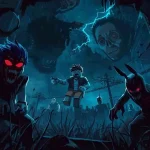
Spooky Roblox games offer some of the most terrifying gaming experiences you can find on the platform, with titles ranging from psychological horror to jump-scare marathons that will keep you awake at night. These games feature everything from Japanese folklore monsters to endless backrooms, all designed to mess with your head and test your bravery.
Whether you want to play alone or scream with friends, this list covers the best scary games Roblox has to offer in 2026. Each game brings something different to the horror table.
What Makes Spooky Roblox Games So Terrifying
Spooky Roblox games succeed because they combine creative storytelling with smart game mechanics that keep players on edge. The best horror games use sound design, darkness, and unexpected moments to create real fear.
Many of these games are made by small teams or solo developers. But they rival professional horror games in quality. The Roblox platform lets creators build massive worlds with complex puzzles and multiplayer features.
What sets these games apart is how they use player psychology. Some games make you feel trapped. Others make you feel watched. The best ones do both.
The Ultimate List of Spooky Roblox Games
1. The Mimic
The Mimic on Roblox is a premier multiplayer horror experience recognized for its intense atmosphere, Japanese folklore-inspired storytelling, and high-quality jump scares across multiple chapters. It requires teamwork to solve puzzles, navigate dark eerie environments, and escape monsters that mimic human sounds and appearances.
This game stands out because of its cultural depth. Each chapter explores different Asian horror legends. You’ll encounter creatures like the Kuchisake-onna and other terrifying spirits.
The game splits into Books and Chapters. Book 1 has four chapters. Each one gets harder. You need to find items, solve riddles, and run from monsters that can kill you instantly.
Players rate The Mimic 9.8 out of 10 for scariness. The graphics are top-notch for Roblox. The sound design makes every footstep and whisper feel real. This is a must-play for serious horror fans.
2. Doors
Doors is a procedurally generated dungeon horror game where players must progress through 100 randomly selected rooms while avoiding entities that lurk in closets, chase through hallways, and attack when lights flicker. Up to 4 players can team up to solve puzzles and survive together.
Every playthrough feels different because rooms appear in random order. You might get a library full of books or a dark hallway with broken lights. The unpredictability keeps you nervous.
The entities in Doors have clear rules. Rush makes the lights flicker before charging through. Screech appears when your screen gets dark. Learning these patterns helps you survive.
The game has infinite replayability. Speed runners try to beat it fast. New players just try to reach room 100. Either way, Doors delivers consistent scares.
3. Pressure
Pressure is an underwater horror game with deep narrative substance where players explore a flooded facility while managing oxygen levels, solving environmental puzzles, and avoiding sea creatures that hunt in the dark water. The game features rich lore scattered through documents and environmental storytelling.
The claustrophobia hits different in Pressure. You’re underwater the whole time. Your oxygen meter ticks down. Dark shapes move in the distance.
The story unfolds slowly. You find notes from the facility workers. Audio logs reveal what went wrong. The narrative is surprisingly complex for a Roblox game.
Random encounters keep each playthrough fresh. Sometimes you hear breathing in your headphones. Other times things just disappear from where you left them.
4. Apeirophobia
Apeirophobia explores the fear of infinity through backrooms-style levels that feel endless and empty, forcing players to navigate through 24 increasingly surreal and hostile environments while avoiding entities that patrol each zone. The game captures the feeling of being lost in spaces that shouldn’t exist.
Level 0 looks like an office space with yellow walls. It goes on forever. The buzzing fluorescent lights drive you crazy. Then you find an exit and the next level is completely different.
Each level has its own monster with unique behavior. Some chase you. Others only attack if you look at them. Learning the rules takes time and many deaths.
The empty feeling is what makes Apeirophobia scary. You walk for minutes without seeing anything. Then suddenly you’re running for your life. That contrast messes with your head.
5. Identity Fraud
Identity Fraud is a maze-based psychological horror game where players navigate three increasingly complex labyrinths while being hunted by monsters that each have distinct attack patterns and behaviors. The game emphasizes mental pressure through disorienting environments and the constant sound of approaching footsteps.
The maze design is brutal. Corridors look the same. You get turned around easily. Meanwhile, Stan is chasing you from behind with glowing red eyes.
Different monsters spawn as you progress. Ralph carries a sword and one-shots you. Fraud takes the form of dead players to trick survivors. Alice switches between a harmless pixie and a deadly zombie.
The final boss requires solving a hex code puzzle. You need to find numbers scattered through the maze. Then decode them outside the game. It’s challenging and clever.
6. Dead Silence
Dead Silence is a multiplayer investigation horror game based on the horror film legend of Mary Shaw where players explore dark locations searching for clues while avoiding a vengeful spirit that attacks in complete silence. The game works best with friends who take the mystery seriously.
The atmosphere relies heavily on ambient sounds. Creaking floors. Distant whispers. Wind through broken windows. Then everything goes silent and you know Mary is near.
You need to find items that reveal the story. Photos. Letters. Objects that belonged to Mary Shaw. The investigation aspect adds depth beyond just running away.
Playing with friends makes it more fun. You can split up to cover ground faster. But that means facing the ghost alone if she finds you.
7. Rainbow Friends
Rainbow Friends is a survival horror game featuring colorful but deadly creatures that hunt players through various maps where you must collect items and complete objectives while avoiding Rainbow, Blue, Green, Orange, and Purple each with different hunting methods. Despite the cute appearance, the game delivers genuine scares.
The contrast between cute colors and horror creates unique tension. Blue is a blind creature that hunts by sound. Green hides in vents. Orange climbs on the ceiling.
Each night introduces new threats. Night 1 is just Blue. By Night 5 you’re dealing with multiple monsters at once. The difficulty ramps up fast.
The game is popular with younger players but still scary. The monsters are relentless. One mistake and you’re caught. Teamwork is essential for survival.
8. The Rake Remastered
The Rake Remastered is a survival horror game where players must collect pages scattered across a foggy outdoor environment while being stalked by the Rake, a fast-moving creature that can appear anywhere and will relentlessly hunt any player it detects. The game features permadeath and high difficulty.
The fog creates constant paranoia. You see shapes moving in the distance. Most of them are trees. But one of them is the Rake moving closer.
The creature is brutally fast. Once it spots you, running rarely works. Your best bet is hiding or hoping it loses interest. The AI feels unpredictable.
Finding all the pages takes courage. They spawn in random locations. You need to explore the entire map. But exploring means exposing yourself to danger.
9. Roses
Roses is a story-driven horror game set in an abandoned 1940s insane asylum where players search for their missing friend Max while uncovering dark secrets through environmental storytelling, voice acting, and multiple chapters that reveal a tragic history. The game features professional-level production quality.
The asylum setting is detailed and realistic. Patient rooms still have beds. The surgery area has old medical equipment. Gravestones outside hint at dark experiments.
Voice acting adds emotional weight. You hear Max’s recordings. Discover what happened to the patients. The narrative builds to a haunting conclusion.
Three roses are hidden in each chapter. Finding them unlocks more story details. The game rewards exploration but punishes carelessness.
10. It Lurks
It Lurks is a single-player episodic horror game that simulates home-based horror scenarios across multiple chapters where different threats emerge in familiar domestic settings creating an atmosphere of dread in places that should feel safe. The jump scares are intense and well-timed.
Each episode tells a different story. One features a home invasion. Another has supernatural elements. The variety keeps things fresh across chapters.
The game understands timing. It builds tension slowly. You explore your house. Things seem normal. Then you notice something moved. Or a door you closed is now open.
Playing alone at night hits different with It Lurks. The domestic setting makes it feel too real. We’ve all heard strange sounds in our homes.
11. Alone in a Dark House
Alone in a Dark House is a multiplayer detective horror game where up to 20 players investigate a brutal murder by collecting clues throughout a haunted mansion while encountering paranormal entities and trying to identify the killer. The game combines mystery solving with supernatural horror.
The investigation mechanics are surprisingly deep. You find evidence. Interview other players. Build theories about what happened. Meanwhile ghosts appear randomly.
The large player count creates social dynamics. Some players work together. Others go solo. Trust becomes important when identifying the murderer.
The house layout is complex. Multiple floors. Hidden rooms. Secret passages. Learning the map takes time but helps you survive longer.
12. Piggy
Piggy is a survival horror game inspired by Peppa Pig where players must solve puzzles and find keys to escape various maps while being chased by an infected pig character that patrols areas and attacks on sight. The game features asymmetric multiplayer where one player can become the Piggy.
The Peppa Pig inspiration makes the horror more unsettling. Something about a children’s character hunting you creates unique discomfort. The twisted nursery rhymes don’t help.
Each map has different objectives. Find keys. Unlock doors. Avoid the Piggy. The puzzles aren’t too hard but solving them while being chased adds pressure.
The role-swap mode lets one player be the hunter. This changes the dynamic completely. Hunting other players has its own tension.
13. Doors: The Rooms
The Rooms is a challenging extension of Doors featuring 1000 procedurally generated rooms with more aggressive entities, harder puzzles, and fewer safe spaces where players must demonstrate mastery of horror game mechanics to progress through this grueling endurance test.
This version is for hardcore players only. The entities are meaner. A-60 rushes through multiple rooms. A-90 forces you to freeze in place or die instantly.
You need near-perfect execution to reach room 1000. One mistake often means starting over. The length makes every death more frustrating.
But the satisfaction of progressing is real. Each milestone room feels like an achievement. The difficulty creates a strong community of skilled players.
14. Light Bulb Reillumination
Light Bulb Reillumination is a psychological horror game where darkness is the primary enemy and players must carefully manage limited light sources to navigate through oppressive dark environments where running out of light means certain death. The fear builds slowly without relying on jump scares.
The darkness mechanic creates constant stress. You watch your battery percentage drop. Each room requires light to cross safely. Do you conserve power or move quickly?
Monsters barely appear but you feel them watching. The psychological horror works because your imagination fills in the gaps. What’s hiding in that corner?
The game is slow-paced but effective. Fans of atmospheric horror prefer this over jump-scare focused games. It gets under your skin.
15. The Maze
The Maze is a survival horror game that traps players in narrow twisting corridors where mysterious monsters patrol and the feeling of being lost creates mounting psychological pressure as you search desperately for the exit. The claustrophobic level design intensifies the fear.
Getting lost is part of the experience. Corridors branch and reconnect. You lose your sense of direction. Panic sets in when you hear footsteps behind you.
The monsters move unpredictably. Sometimes you go minutes without seeing them. Other times they appear around every corner. You never know what to expect.
The game is described as slow but mentally torturous. There’s no quick escape. You must persist through the anxiety of not knowing where you are.
16. Subconscious
Subconscious explores liminal spaces and creates deeply uncomfortable atmospheres through empty transitional areas that feel wrong on an instinctual level forcing players to wander through places that exist between destinations with no clear purpose. The game focuses on exploration and environmental horror.
Liminal spaces are places like empty malls or endless hallways. They should have people but don’t. That wrongness creates unease without monsters.
The puzzles are abstract. You manipulate the environment. Open impossible doors. Walk through walls that shouldn’t exist. Reality feels flexible.
Fans of backrooms-style horror love Subconscious. It’s not for everyone. But if existential dread appeals to you, this game delivers perfectly.
17. Forgotten Memories
Forgotten Memories is a survival horror experience set in a ruined hospital where players explore decaying hallways and patient rooms while uncovering a slowly unfolding story through environmental clues and cryptic audio that creates constant dread even in quiet moments.
Hospital settings always work for horror. Medical equipment looks sinister. Patient rooms feel haunted. Forgotten Memories uses this perfectly.
The story reveals itself gradually. You find patient records. Doctor’s notes. Each piece adds to a disturbing picture of what happened here.
The audio design is excellent. Distant screams. Dripping water. Footsteps that might be yours or might not. Your headphones become essential.
18. The Asylum
The Asylum places players in a mysterious mental hospital with minimal lighting and realistic environmental design where exploratory horror creates tension through navigation of dark corridors and locked rooms filled with unsettling remnants of the facility’s troubled past.
Mental asylums are classic horror settings and The Asylum doesn’t waste the opportunity. Everything feels authentic and wrong simultaneously.
Lighting is extremely limited. You use a flashlight that barely cuts through the darkness. Batteries drain fast. Conserving light becomes a survival strategy.
The environmental design rewards careful observation. Notes on walls. Scratches on doors. The facility tells its story through details.
19. Chain
Chain is a fast-paced 3-player cooperative survival horror game where players are relentlessly chased by dangerous creatures while solving time-sensitive puzzles that require coordination and quick thinking under extreme pressure. The aggressive pacing creates intense gameplay sessions.
This game doesn’t let you breathe. Monsters chase you constantly. Puzzles must be solved quickly. Communication with teammates is essential.
The 3-player design is intentional. It’s not too many people. Not too few. Everyone has a role. One weak link can doom the team.
Chain tests your ability to think under pressure. Panic leads to mistakes. Mistakes lead to death. Staying calm while being chased is genuinely difficult.
20. Geisha
Geisha is a Japanese folklore horror game set in a traditional setting where players explore a dark tale rooted in cultural ghost stories while navigating authentic period environments filled with supernatural threats that respect the source material’s creepy origins.
The traditional Japanese setting creates unique atmosphere. Paper walls. Wooden floors that creak. Lanterns that cast dancing shadows. Everything feels authentic.
The Geisha spirit follows folklore rules. She appears in mirrors. Responds to certain sounds. Learning the mythology helps you survive.
This game rewards cultural knowledge. If you know Japanese ghost stories, you’ll recognize references. If you don’t, it’s a good introduction.
21. Breaking Point
Breaking Point is a multiplayer social horror game featuring multiple modes including a Russian roulette-style elimination game where players are randomly selected to eliminate others creating paranoid social dynamics and psychological tension rather than traditional monster-based scares.
The horror comes from other players. You don’t know who will be chosen next. Trust evaporates quickly. Everyone becomes a potential threat.
Multiple game modes add variety. Duck Duck Stab is deadly musical chairs. Who Did It is murder mystery. Each mode creates different social pressure.
Playing with strangers intensifies the experience. You can’t trust anyone. Playing with friends creates hilarious betrayals. Either way it’s memorable.
22. The Intruder
The Intruder creates nerve-wracking home invasion scenarios lasting 15-25 minutes where players must hide, evade, and survive against an intelligent AI that searches the house systematically creating realistic fear of someone breaking into your safe space.
Home invasion horror feels personal. We all fear someone entering our home. The Intruder taps into that primal fear effectively.
The AI is smart. It checks hiding spots. Responds to sounds. Searches methodically. You can’t just hide in a closet and wait it out.
The length is perfect. Long enough to build tension. Short enough to replay multiple times. Each attempt teaches you better strategies.
23. Specter 2
Specter 2 is a ghost hunting game inspired by Phasmophobia where players use equipment to identify supernatural entities collect evidence and complete objectives while managing sanity levels and avoiding deadly encounters with angry spirits.
The ghost hunting equipment adds gameplay depth. EMF readers detect spirits. Spirit boxes let you communicate. Each tool serves a purpose.
Identifying the ghost type requires detective work. You gather evidence. Cross-reference clues. Make educated guesses. It’s satisfying when you’re right.
The sanity system creates risk-reward decisions. Staying in the dark drains sanity. Low sanity makes ghosts aggressive. But you need darkness to find certain evidence.
24. Nightmare Mines
Nightmare Mines sends players deep underground into dark mining tunnels where limited visibility and unknown threats lurking in the darkness create constant tension as you navigate winding passages searching for resources while something hunts in the shadows.
The mining setting works perfectly for horror. Tunnels are naturally claustrophobic. Support beams creak. Your light barely reaches the walls.
Resource collection adds objectives beyond survival. You need materials to progress. But gathering means exploring. Exploring means danger.
The unknown threat is more effective than a visible monster. You hear sounds. See movement. But what’s actually down here remains unclear.
25. Jim’s Computer
Jim’s Computer delivers psychological horror through computer simulation gameplay lasting 20-30 minutes where disturbing events unfold on a desktop interface creating dread through realistic scenarios without traditional monsters emphasizing mental discomfort over physical threats.
The desktop interface feels real. You browse files. Read emails. Use programs. Everything seems normal until it isn’t.
Psychological horror works differently than jump scares. Things become wrong gradually. A file appears that shouldn’t exist. Someone’s watching through your webcam.
The realism makes it disturbing. We all use computers daily. Jim’s Computer makes that familiar experience sinister. It stays with you afterward.
26. Frigid Dusk
Frigid Dusk is a team-based survival horror game where players must survive in freezing temperatures while being hunted by a beast requiring coordination to manage warmth, solve environmental puzzles, and protect each other from a relentless predator in an icy wasteland.
The cold is as dangerous as the monster. Your temperature drops constantly. You need fire. But fires attract the beast. Every decision has consequences.
Team puzzles require communication. One player holds a door. Another finds items. Someone watches for the monster. Everyone matters.
The ice environment is beautifully rendered. Snow blinds you. Wind howls constantly. The atmosphere is oppressive even without the creature.
27. The Mirror
The Mirror is a simple yet effective psychological horror game where players interact with a mysterious mirror that reveals increasingly disturbing reflections creating paranoia about what’s real and what’s reflection in a compact experience that delivers concentrated scares.
Mirror horror is timeless. We all fear seeing something wrong in our reflection. The Mirror exploits that fear ruthlessly.
The game is short but memorable. You can complete it quickly. But the images stick with you. Sometimes less is more with horror.
The psychological impact works because mirrors should show reality. When they don’t, our sense of what’s real crumbles. That’s genuinely unsettling.
28. Kalampokiphobia
Kalampokiphobia explores the fear of corn through a surreal horror experience set in endless cornfields where players navigate through tall stalks that obstruct vision while something moves through the crops tracking your position creating agricultural nightmare fuel.
The concept sounds funny but plays seriously. Cornfields at night are genuinely creepy. The stalks are taller than you. Anything could be nearby.
Visibility is your main challenge. You see a few feet ahead. The corn rustles. Was that wind or something moving? Paranoia builds quickly.
The surreal elements add to the disorientation. The field seems endless. Landmarks disappear. You’re lost in corn with something hunting you.
29. Contamination
Contamination is an immersive survival horror game featuring a contagious threat where players must navigate infected zones while managing exposure levels and making difficult decisions about who to save creating moral complexity alongside traditional horror elements.
The contagion mechanic creates paranoia. Are you infected? Is your teammate? Trust becomes complicated when anyone might be compromised.
Survival requires resource management. Medical supplies are limited. Do you help others or save supplies for yourself? The choices feel meaningful.
The atmosphere is oppressive. Quarantine zones. Hazmat suits. Medical equipment. Everything reminds you that death is contagious and spreading.
30. The Survey
The Survey is a first-person psychological thriller that questions reality through unreliable narration and shifting environments where completing a seemingly simple survey leads to increasingly disturbing revelations about the nature of the game itself.
The game starts innocently. Answer survey questions. Simple. But questions become personal. Disturbing. They know things they shouldn’t.
Reality breaks down gradually. The room changes. Questions repeat with different wording. You’re not sure what’s real anymore.
Psychological horror fans appreciate The Survey’s mind games. It doesn’t rely on monsters. It makes you doubt everything including your own participation.
31. Flicker
Flicker is a social deduction horror game hiding chilling secrets where players must identify the murderer among them through discussion and observation while roles remain hidden creating paranoid social dynamics and dramatic reveals.
Social deduction adds psychological horror to gameplay. You suspect your friends. They suspect you. Nobody’s sure who to trust.
Different roles create asymmetric gameplay. The murderer knows who to kill. The psychic has information. Everyone else is guessing.
The horror comes from betrayal. Your friend was the killer all along. Or you accidentally helped them. Social horror hits differently.
32. Bear Alpha
Bear Alpha is an asymmetric multiplayer horror game where one player controls a bear hunting other players who must hide and complete objectives to survive creating tense cat-and-mouse gameplay with the constant threat of instant elimination.
The asymmetric design creates unique tension. Survivors feel hunted. The bear player feels powerful but pressured to find everyone quickly.
Hiding is the primary strategy but risky. Good spots are limited. The bear learns common hiding places. You need creativity to survive.
Maps have varied layouts encouraging different strategies. Some reward mobility. Others favor hiding. Learning each map is essential.
33. Stop It Slender
Stop It Slender tasks players with collecting pages scattered across dark outdoor locations while avoiding Slenderman who becomes more aggressive as you collect more pages creating escalating difficulty and tension based on the classic creepypasta character.
Slenderman horror is iconic. The tall figure. The static when he’s near. Stop It Slender captures that effectively on Roblox.
The page collection creates clear objectives. Eight pages. Find them all. But each page makes Slenderman faster and more persistent.
The difficulty curve is brutal. Early pages are manageable. The last few require perfect execution. Most players never find all eight.
34. Project Lazarus
Project Lazarus is a zombie survival game where players defend against endless waves of the undead while managing ammunition, barricades, and team positions delivering classic horror action with Roblox’s accessible multiplayer format.
Zombie waves create intense action horror. Early rounds are manageable. Later waves overwhelm with sheer numbers. Teamwork becomes critical.
The progression system adds depth. Buy better weapons. Upgrade barricades. Unlock new areas. You feel yourself getting stronger.
Classic zombie horror never gets old. There’s something satisfying about surviving against overwhelming odds with friends watching your back.
35. Below
Below is an atmospheric horror game about descending into an ancient temple seeking the fountain of youth where players explore increasingly disturbing depths while discovering that some things are better left buried creating dread through environmental storytelling and the knowledge that there’s no coming back up.
The descent mechanic creates mounting dread. You go deeper. Each level is darker. Stranger. The way back seals behind you.
The ancient temple setting allows creative level design. Forgotten civilizations. Strange architecture. Mysteries that predate human understanding.
The finality adds weight. You can’t leave. Choices matter because there’s no reset. You face consequences of every decision going forward.
How To Choose The Right Spooky Roblox Game
Choosing the right spooky Roblox game depends on what kind of horror you enjoy and whether you want to play alone or with friends. Some games focus on jump scares while others build psychological dread slowly.
If you like action and running, try Doors or Rainbow Friends. These games keep you moving. The threat is constant. There’s always something to do.
For slower atmospheric horror, Light Bulb Reillumination or Subconscious work better. These games build tension through environment and mood rather than chase sequences.
Multiplayer games like Breaking Point or Flicker are perfect for friend groups. Social horror creates memorable moments. Solo games like It Lurks hit harder when you’re alone at night.
Tips For Playing Spooky Roblox Games
Playing spooky Roblox games effectively requires understanding each game’s mechanics and managing your own fear response. Good headphones make the experience more immersive but also more scary.
Learn enemy patterns through observation. Most monsters follow rules. Rush in Doors flickers lights first. Knowing these patterns helps you survive longer.
Brightness matters more than you think. Too dark and you miss details. Too bright and atmosphere suffers. Find the balance that works for you.
Playing with friends reduces fear but makes coordination challenges harder. Solo play is scarier but gives you full control. Try both ways to see what you prefer.
Don’t rush through games on first playthrough. Take time to explore. Read notes. Absorb atmosphere. You only get one first experience with each game.
Why Roblox Horror Games Are Growing In Popularity
Roblox horror games have exploded in popularity because they’re free to play, easy to access, and often rival professional horror games in quality. The platform’s tools let creative developers build impressive experiences.
The social aspect matters too. Friends can jump in easily. No purchase required. Just click a link and you’re playing together. That accessibility spreads games through word of mouth.
Content creators on YouTube and TikTok showcase these games regularly. Viewers watch reaction videos then want to try the games themselves. The viral cycle continues.
Developers update games frequently. The Mimic adds new chapters. Doors introduces new entities. Players return because there’s always something new to discover.
The Future Of Spooky Roblox Games
Spooky Roblox games continue evolving with better graphics, more complex mechanics, and deeper stories as developers push the platform’s capabilities. The quality gap between Roblox games and standalone horror titles keeps shrinking.
Expect more games inspired by popular horror trends. Analog horror. Liminal spaces. Folk horror. Developers watch what’s popular and create Roblox versions quickly.
Cross-game events and collaborations are becoming common. Games reference each other. Share universe elements. The Roblox horror community feels increasingly connected.
Technical improvements to Roblox itself enable better horror experiences. Improved lighting. Better audio. More sophisticated AI. Future horror games will be even scarier.
Frequently Asked Questions
What is the scariest Roblox game in 2026?
The Mimic is widely considered the scariest Roblox game in 2026 with a 9.8 out of 10 rating for horror quality. It features Japanese folklore monsters, intense jump scares, and genuinely disturbing atmosphere across multiple chapters. However, Doors and Pressure are also extremely popular for different types of scares.
Are spooky Roblox games appropriate for kids?
Most spooky Roblox games are rated for ages 10-13+ depending on intensity levels. Games like Rainbow Friends use cartoon violence suitable for younger players while The Mimic and Identity Fraud feature more intense horror better for teenagers. Parents should check individual game ratings and watch gameplay before allowing younger children to play.
Can you play scary Roblox games alone?
Yes, many scary Roblox games support solo play including It Lurks, Jim’s Computer, and The Intruder which are specifically designed for single-player experiences. However, games like Doors, The Mimic, and Dead Silence are more fun with friends even though they can be played alone.
Which Roblox horror game has the best story?
Roses features the best story among spooky Roblox games with professional voice acting, environmental storytelling, and a narrative about searching for a missing friend in an abandoned asylum. Pressure also has excellent lore with deep narrative substance told through documents and audio logs.
Do spooky Roblox games cost Robux to play?
Most popular spooky Roblox games are completely free to play including The Mimic, Doors, Apeirophobia, and Identity Fraud. Some games offer optional Robux purchases for cosmetics or special items but core gameplay is accessible without spending money.
What makes The Mimic so scary?
The Mimic achieves extreme scariness through combining Japanese folklore horror with high-quality graphics, effective sound design featuring creature sounds and whispers, well-timed jump scares, dark maze-like environments, and monsters that mimic human voices to lure players. The cultural authenticity adds depth that resonates with horror fans.
How long does it take to beat Doors?
Beating Doors takes approximately 30-60 minutes for experienced players to reach room 100 though first-time players often need multiple attempts over several hours. The procedurally generated nature means each run has different length depending on room combinations and how quickly you solve puzzles.
Can you play Roblox horror games on mobile?
Yes, most spooky Roblox games work on mobile devices though the experience is better on PC with a keyboard, mouse, and good headphones. Games requiring quick reactions like Doors and Chain can be harder on mobile touchscreen controls. Graphics and performance also vary by device capability.
What’s the difference between Doors and Apeirophobia?
Doors features 100 rooms with varied monsters and puzzle-focused gameplay while Apeirophobia explores backrooms horror across 24 levels with more emphasis on empty liminal spaces and psychological dread. Doors has more action while Apeirophobia focuses on atmosphere and the fear of endless spaces.
Are there any non-scary Roblox games similar to horror games?
Yes, mystery games like Murder Mystery 2 and adventure games like Tower of Hell offer similar exploration and puzzle-solving without the horror elements. Breaking Point has horror modes but also non-scary party game variants suitable for players who want gameplay without intense scares.